Philippine Wedding Planning on WhatsApp: Hotel vs Beach vs Home — Side by Side
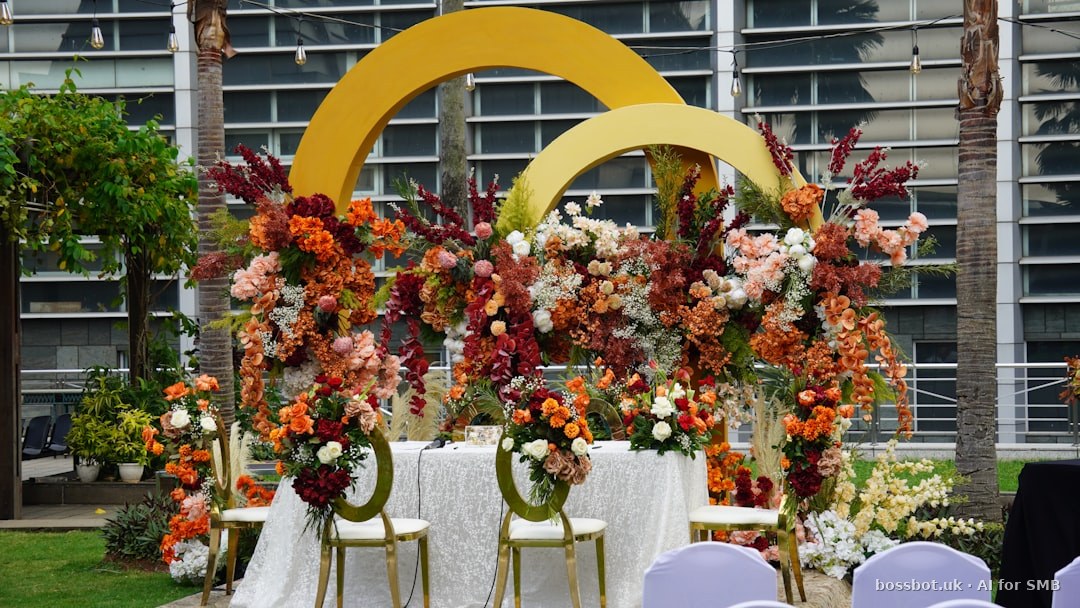
Two-column comparison of Philippine wedding planning workflows for hotel weddings, beach weddings in Boracay/Palawan, and traditional home celebrations
Three contexts, three workflows
Philippine wedding planning covers a wide range of venue and cultural contexts. Three distinct types dominate what Philippine event planners handle:
Hotel weddings in Metro Manila, Cebu, or Davao. Marriott, Shangri-La, Sofitel, and mid-range hotels handle the venue; the planner coordinates the client, the hotel event team, and specific external vendors (specific photographer, florist, gowns, etc.).
Beach weddings in Boracay, Palawan, Bohol, or Siargao. Beach resort venue with dedicated event team; the planner coordinates the client, resort event manager, ceremony officiant (often a specific priest or minister from the client's home area travelling out), and vendors including guest logistics for those flying in.
Traditional home weddings — celebrations held at the couple's family home or provincial family compound. Very different logistics: extended family involvement, community catering (often handled by relatives), local suppliers, and cultural celebration elements that hotel and beach weddings don't typically involve.
The workflows differ in specific ways that generic wedding-planning automation misses. What follows is a side-by-side comparison.
Client discovery and initial engagement
Hotel wedding: Client typically discovers the planner via wedding-vendor directories (Kasal.com, Wedding Philippines), Instagram, or hotel referral. First contact through WhatsApp, sometimes through the hotel's referral relationship. First-response should reference the specific hotel or hotel tier, dispatch typical package pricing bands, and offer venue-tour coordination.
Beach wedding: Client typically discovers via Instagram (destination-wedding content generates strong Instagram engagement), Facebook wedding community groups, or diaspora referrals. First contact through WhatsApp with substantial upfront questions about the resort options, permits (for beach ceremonies in specific locations), and logistics. First-response should include information about resort options, permit realities, guest count implications, and typical destination-wedding budget ranges.
Traditional home wedding: Client typically comes via family referrals or community connections. First contact often through WhatsApp with an aunt or family friend as an intermediary. First-response should be culturally respectful, reference the specific community traditions the family wants to observe, and offer coordination that respects extended-family involvement in decision-making.
Vendor coordination
Hotel wedding: Simplified vendor coordination — the hotel typically handles venue, catering, some entertainment. External vendors are limited to photographer, florist, gowns, and specific cultural elements. WhatsApp automation coordinates the client, the planner, the hotel event team (single point of contact), and 4-6 external vendors.
Beach wedding: More complex vendor coordination — resort handles venue and often catering, but external vendors include photographer, videographer, ceremony officiant travel, guest travel and accommodation logistics, sometimes decor specialists flown in from Manila. WhatsApp automation coordinates 8-12 parties across compressed timelines.
Traditional home wedding: Different vendor structure — community catering (relatives cooking, coordinated informally), local suppliers (community florist, family photographer, sometimes just a nephew with a good camera), local musicians for cultural elements. WhatsApp automation less useful here for many vendor relationships because the vendors themselves operate on personal WhatsApp with the family rather than on formalised business channels.
Payment coordination
Hotel wedding: Standard staged payment schedule — deposit at contract signing (typically 20-30%), payment at 90 days out, payment at 30 days out, balance at completion. Payment via bank transfer for larger amounts, GCash for smaller vendor payments, credit card for hotel bookings. Total budget typically PHP 400,000 to PHP 2,000,000+ depending on scale.
Beach wedding: Similar staged payment structure but with more international coordination — OFW clients paying from abroad, guest-facing group bookings for accommodations, cross-vendor coordination on payment terms. Payment via Wise for international transfers, InstaPay/PESONet for larger domestic, GCash/Maya for smaller vendor payments. Total budget typically PHP 800,000 to PHP 3,000,000+.
Traditional home wedding: Very different payment structure — much of the vendor coordination happens through family relationships without formal payment schedules. Community catering may not have a formal contract; local vendors often accept cash payment on the day. Total budget varies enormously — PHP 100,000 for a modest celebration to PHP 1,500,000+ for elaborate family gatherings — and the WhatsApp automation should support flexible payment coordination rather than force a hotel-wedding-style structure.
Cultural elements and communication style
Hotel wedding: Communication in English and Tagalog, with some Filipino-Chinese couples using additional Chinese elements. Program structure is largely Western with Filipino cultural elements incorporated (arrhae, wine ceremony, family blessing). Automation templates should support this bilingual, culturally-blended context.
Beach wedding: Predominantly English communication given the mixed local and diaspora guest list. Program structure is often deliberately simple to accommodate the destination logistics. Automation focuses on logistics coordination rather than cultural depth.
Traditional home wedding: Substantial cultural content — Filipino traditions like the pamamanhikan (formal engagement), pabitin, and specific regional customs (Ilocano, Waray, Ilonggo, Cebuano, and other regional traditions vary considerably). Communication mixes English, Tagalog, and the family's regional language. Automation templates should be culturally aware; a hotel-wedding template used for a traditional home celebration reads as culturally-oblivious.
Compliance and data protection
All three contexts: RA 10173 Data Privacy Act as administered by NPC applies to the planner's handling of client and guest personal data. Consent should be captured at engagement covering: automated event-related communication, sharing of guest information with venue and vendors, and marketing broadcasts (opt-in only).
BIR OR delivery workflow for planner fees and vendor payments works similarly across all three contexts — eBIR generation with WhatsApp PDF delivery, or manual OR with photograph delivery for smaller vendors not on eBIR.
Beach wedding specific: International guest data may require additional handling — GDPR consideration for European guests, US CCPA/CPRA for American guests, and coordination with resort's own data-handling framework.
Traditional home wedding specific: The extended family involvement in decision-making means multi-party consent handling. The client couple may make decisions on behalf of the family; explicit clarity about who the data subject is and who has consented to what is important.
Cost implications
Meta bills WhatsApp Business Platform utility conversations in the Philippines at approximately USD 0.0217 per 24-hour window under the 2025 pricing update.
Hotel wedding operations typically run 200-500 utility conversations per event for a full planning cycle (12-18 months). Meta cost per event: USD 4-11.
Beach wedding operations run higher volume due to guest logistics coordination — 400-800 utility conversations per event. Meta cost per event: USD 9-17.
Traditional home wedding operations run variable volume depending on family involvement — often 100-300 utility conversations, with substantial off-WhatsApp coordination via phone and personal messaging. Meta cost per event: USD 2-7.
Software layer costs (BSP subscription, CRM, payment integrations) are the primary expenditure across all three, typically USD 100-300 monthly for a mid-sized event planning operation handling multiple concurrent events.
Sources
Data + numbers referenced in this article are sourced from these public documents:
Frequently Asked Questions
BossBot for Wedding Planners
Product page with honest feature list, "not for you if" filter, and live demo for this vertical.
See /for/wedding-planner →BossBot for Philippine event planners
WhatsApp Business Platform automation with hotel/beach/traditional wedding template routing, multi-vendor coordination flows, OFW international payment support, and RA 10173-compliant multi-party consent. Seven-day free trial, no card required.
Start Free TrialNot ready to sign up yet? Try the free demo →