The Vocabulary of Egyptian Event Planning — And How WhatsApp Automation
Definition-first read on Egyptian event planning terminology — katb ketab, henna night, zaffa, katkoot, sabou'a — and how a planner's WhatsApp workflow
Katb ketab: the Islamic marriage contract signing
The katb ketab is the formal Islamic marriage contract signing ceremony. Historically the primary marriage event, and still legally and religiously the marriage moment. It typically involves the bride and groom, the ma'zoun (marriage officiant), witnesses from both families, and immediate family members. In contemporary practice, katb ketab often precedes a larger wedding reception by weeks or months, though many Egyptian couples still hold a single-event wedding combining katb ketab and reception.
For a WhatsApp workflow: the katb ketab requires coordination with the ma'zoun (typically bookable through the couple's local mosque or a private ma'zoun the family knows), the location (often the bride's family home, a mosque, or an event venue), Islamic-appropriate refreshments (no alcohol), and often a specific dress code respecting religious observance.
Automation should support the ma'zoun's schedule integration and dispatch clear reminders about the ceremony formalities to both families' points of contact. Family coordination often involves multiple decision-makers (the bride's father, the groom's mother, sometimes older uncles), and single-point-of-contact automation misses the actual coordination pattern.
Farah / zafaf: the wedding reception
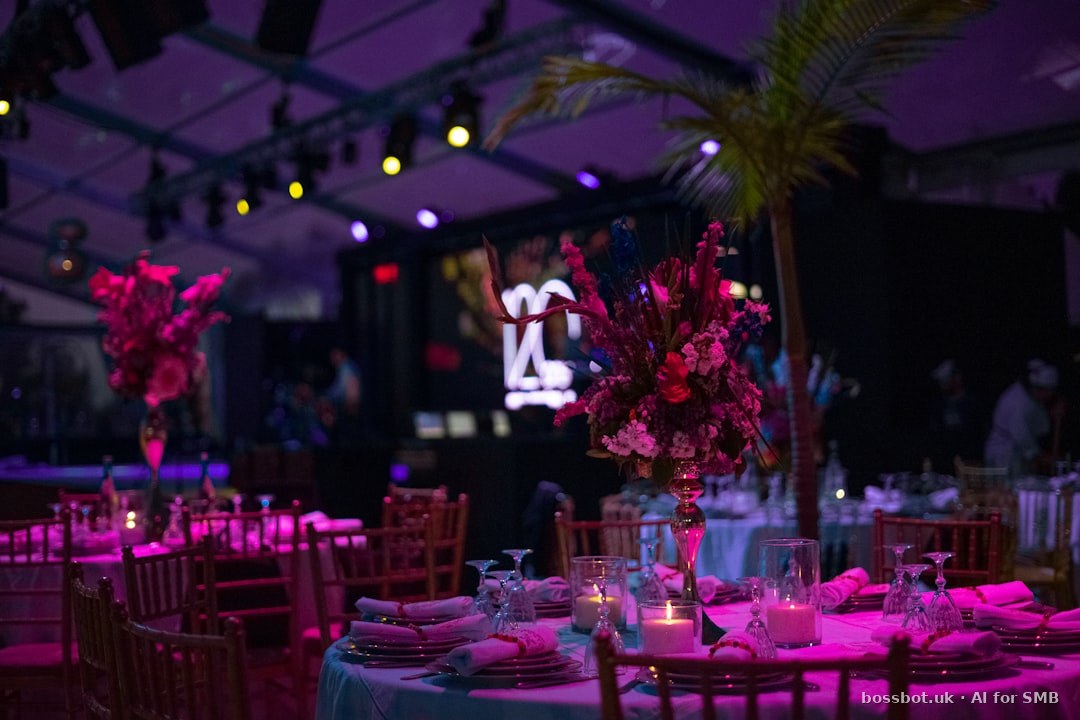
The farah or zafaf is the wedding reception — the large celebration that most non-Egyptian observers would recognise as 'the wedding'. In contemporary Egyptian practice, farah spans an entire evening, often in a hotel ballroom or dedicated event venue, with several hundred guests, DJ or live music (traditional and modern), photographer and videographer, catering, and specific programme elements.
For a WhatsApp workflow: farah planning involves coordinating a large multi-vendor supplier network. Automation should track supplier commitments (venue, catering, entertainment, photography, transportation), dispatch coordination messages that summarise status for both the couple and their parents (Egyptian wedding planning is meaningfully parent-influenced), and handle staged payment coordination across suppliers.
Budget management is often complex — Egyptian weddings frequently span EGP 500,000 to several million, split across the two families with specific negotiated shares. Automation should track payment obligations, staged deposits due dates, and reconciliation with each vendor. Delayed vendor payments damage the reception significantly; missed deposit dates for high-demand venues (like historic hotels or specific ballrooms) mean losing the booking to another wedding.
Zaffa: the wedding procession
Zaffa is a specific element within a farah — a traditional wedding procession featuring drummers, singers, sometimes dancers, sometimes a specific horse or camel, that leads the bride and groom into the reception hall. Zaffa is a distinct service category with specialised suppliers.
For a WhatsApp workflow: zaffa booking is a specific supplier coordination point. The zaffa troupe should be confirmed weeks in advance, coordinated with the venue's arrival timing, and coordinated with the couple's photographer and videographer (the zaffa is one of the most photographed moments of the wedding). Automation should track zaffa supplier deposits, dispatch timing coordination to all relevant parties, and confirm the zaffa's specific programme elements.
Laylat el-henna: the henna night
The henna night (laylat el-henna) is a traditional pre-wedding celebration, typically held the evening before the farah, focused on the bride and her female family and friends. Traditional elements include henna application on the bride's hands, feminine music and dancing, specific foods, and often coordinated matching outfits.
For a WhatsApp workflow: henna night is culturally significant but operationally simpler than the farah — a smaller guest list, often at a family home or intimate venue, with specific supplier categories (henna artist, feminine music DJ or musicians, feminine catering). Automation should coordinate the specific supplier network without applying farah-scale logistics that would overwhelm the actual event.
Social coordination matters. Automation should support the family's communication with the guest list (all female family and close friends), with respect for cultural norms about privacy of the event photographs (some henna nights are documented for the couple's photo album but not shared publicly on social media).
Sabou'a: the seven-day birth celebration
Sabou'a is the traditional Egyptian celebration held approximately seven days after a child's birth. It typically features the baby placed in a decorated bassinet, salt sprinkled around for protection, family and friends gathering to bless the newborn, specific traditional songs, and food distributed to guests. Sabou'a is a distinct event planner category with dedicated suppliers.
For a WhatsApp workflow: sabou'a planning involves coordinating with the new mother's schedule (physical recovery makes timing sensitive), the extended family's arrival, specific supplier categories (traditional food catering, decoration in the appropriate style, sometimes a specific sabou'a music entertainer), and photography. Automation should coordinate the supplier network while respecting the new mother's needs — communication cadence should be minimal and considerate, avoiding excessive back-and-forth during her recovery.
Munasabat: general Egyptian occasions
Munasabat covers general occasions — engagement parties, birthdays, corporate events, milestone celebrations. Each has its own conventions and each involves distinct supplier coordination. Automation should recognise the type of munasaba from early client signals and route to the appropriate template set.
Engagement parties (khutuba) are moderately-scaled events (100-300 guests typically) with formal supplier coordination but less elaborate than a farah. Birthday celebrations vary enormously by client — from small family gatherings to large celebrity-style parties. Corporate events follow different patterns (typically hotel ballrooms, sponsor branding coordination, specific speaker or entertainer engagement).
The workflow implications
The vocabulary shapes the workflow. Egyptian event planning is not one workflow but many, and a WhatsApp automation designed for weddings will not handle sabou'a well, and vice versa.
Well-designed automation for an Egyptian event planner:
-
Recognises the event type from client's first message and routes to the appropriate template set (with confirmation from client if signals are ambiguous).
-
Coordinates with the appropriate supplier network per event type — different vendor lists for different events.
-
Handles staged payment coordination via Instapay or Vodafone Cash, with attention to deposit-and-balance schedules per supplier.
-
Respects cultural communication norms (e.g., communication cadence during a mother's recovery for sabou'a; family-decision-maker coordination for weddings).
-
Complies with PDPL 151/2020 for personal data handling — explicit consent for automated communication, sensitive data (family relationship details, dietary requirements suggesting religious observance) with appropriate protection.
Meta bills WhatsApp Business Platform utility conversations in Egypt at approximately USD 0.012 per 24-hour window under the 2025 pricing update. For a mid-sized event planner running 500-1,200 monthly utility conversations across multiple concurrent events, Meta fees fall in USD 15-40 range. The vocabulary-driven complexity is in the software design, not the Meta cost.
Sources
Data + numbers referenced in this article are sourced from these public documents:
Frequently Asked Questions
BossBot for Wedding Planners
Product page with honest feature list, "not for you if" filter, and live demo for this vertical.
See /for/wedding-planner →BossBot for Egyptian event planners
WhatsApp Business Platform automation with event-type-aware template routing, supplier network coordination per event category, Instapay staged payment flows, and PDPL 151/2020-compliant consent. Seven-day free trial, no card required.
Start Free TrialNot ready to sign up yet? Try the free demo →