WhatsApp for Nigerian Event Planners: Owambe, Weddings, Aso-Ebi, and Detty December Coordination
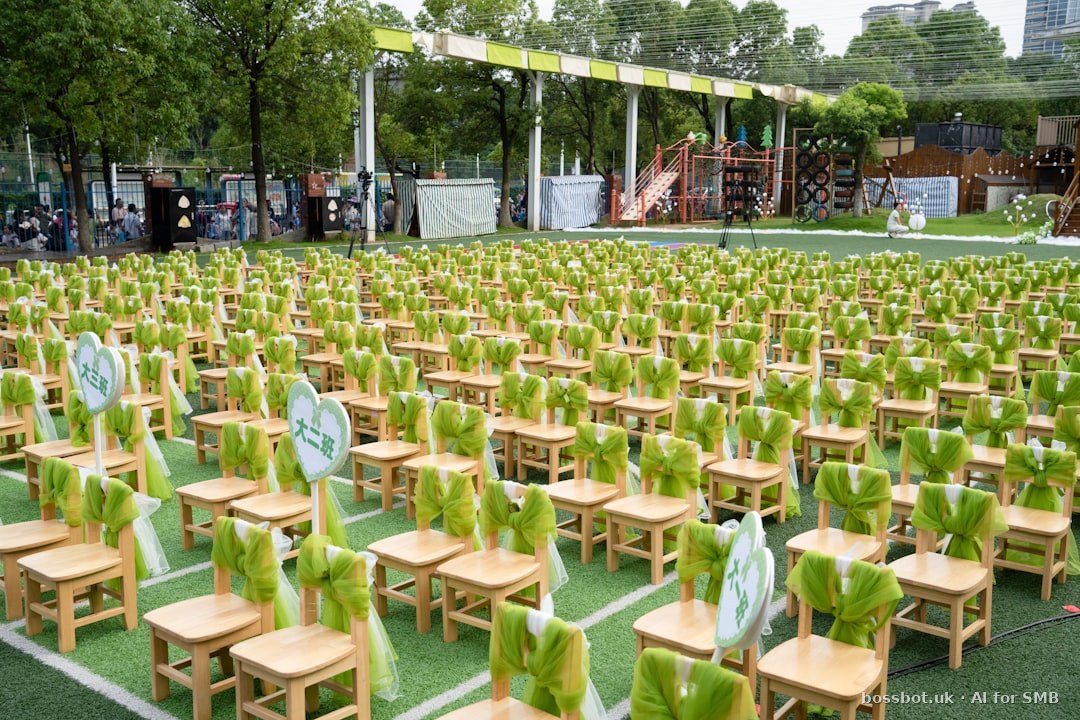
- How WhatsApp Fits the Nigerian Event Planning Workflow
- Where WhatsApp Volume Concentrates for Event Planners
- What WhatsApp Automation Helps With for Nigerian Event Planners
- Payment Collection for Nigerian Event Planners
- NDPA 2023 for Nigerian Event Planners Collecting Client Data
- Frequently Asked Questions: WhatsApp for Nigerian Event Planners
- Aso-Ebi Distribution Mechanics: Fabric Selection, Broadcast Sales, and Collection Discipline
- The Vendor Network: Building and Running the Standard Lagos Owambe Roster on WhatsApp
- Lagos and Abuja Venue Coordination: Named Venues and the WhatsApp Liaison Pattern
- Event-Day Multi-Group WhatsApp Discipline: Vendor Broadcast vs Bridal Party vs Attendee Group
How WhatsApp Fits the Nigerian Event Planning Workflow
Nigerian events fall into a few well-established categories, each with distinct communication patterns:
Owambe / Celebratory events: Large Yoruba-style celebrations — 50th birthdays, naming ceremonies, engagement parties, burials with matching asọ-ẹbi fabric. Guest counts typically range from 100-500+. The planner coordinates decor vendors, caterers, MC, DJ, ushers, and fabric distribution — all primarily over WhatsApp.
Weddings: Nigeria's wedding industry is substantial. Lagos and Abuja weddings range from intimate ₦3M-₦5M affairs to large productions at ₦20M-₦80M for high-end planners. WhatsApp carries the client relationship throughout — initial enquiry, mood board sharing, vendor shortlists, payment milestones, and the last-minute changes that arrive at 11 PM.
Corporate events: Product launches, annual dinners, team offsites, conferences. Corporate clients often have an official email for contracts but coordinate logistics via WhatsApp. Decision-makers have their preferred WhatsApp number, and that's where approvals happen.
Detty December: Lagos's year-end event season (roughly mid-November through early January) is the highest-volume period for Nigerian event planners. Multiple events per week, venue competition, vendor scarcity. Planners managing December events receive significantly elevated WhatsApp traffic from October onward as clients begin securing dates.
The WhatsApp communication sequence for a typical event:
1. Initial enquiry (client-initiated WhatsApp message)
2. Brief collection (planner asks: event type, date, guest count, venue, budget range)
3. Quotation sent (PDF shared in WhatsApp, or structured message)
4. Negotiation and package confirmation
5. Deposit payment (Paystack link or bank transfer details)
6. Ongoing coordination (vendor updates, client approval requests)
7. Event-day logistics (broadcast to vendors + attendees)
8. Post-event follow-up (photos, testimonial request, referral ask)
Where WhatsApp Volume Concentrates for Event Planners
For an event planner managing 3-5 concurrent events, certain message types dominate the inbox:
First-response lag: A client sends an enquiry at 9 PM after seeing an Instagram post. If the planner doesn't respond until morning, the client may have already contacted two other planners. In Nigeria's competitive event planning market, response speed directly affects conversion.
Repetitive brief-collection questions: Most planners ask the same 6-8 questions to every new enquiry (event type, date, guest count, venue confirmed or pending, approximate budget, any specific requirements). These are typed out fresh each time or copied from a notes app.
Deposit follow-up: After a quotation is accepted, the deposit request often requires 2-3 follow-up messages before payment is completed. 'The client has gone quiet' is a common planner complaint — usually they need a structured nudge with the payment link resent.
Aso-ebi coordination: For owambe events, tracking who has collected their fabric, who still needs to pay, and coordinating collection logistics is a WhatsApp thread that can run to hundreds of messages across multiple groups.
Vendor broadcast messages: Sending the same logistics update (venue address, setup time, parking information, dress code) to 8-15 vendors who all need to receive it consistently — without using a group chat where vendor responses create noise for everyone else.
What WhatsApp Automation Helps With for Nigerian Event Planners
WhatsApp automation for event planners functions as a structured first-response and follow-up layer. The creative and relational work — client briefing, vendor negotiation, day-of problem solving — requires human judgment. The repetitive administrative communication does not.
Automated initial response:
When a new enquiry arrives outside business hours, an automated first message can acknowledge receipt, set a response expectation ('Our team reviews all enquiries by 9 AM — we'll get back to you shortly'), and immediately ask the qualifying questions ('What type of event are you planning, and what's your approximate date?'). This captures the lead without waiting until morning.
Brief-collection flow:
A WhatsApp chatbot can walk a new enquiry through a structured brief: event type → date → guest count → venue status → budget range → contact number. By the time the planner reviews the message in the morning, they have a complete brief rather than a bare 'I need a planner' message.
Quotation follow-up sequence:
After a quotation is sent, an automated follow-up at 48h ('Just checking if you had any questions about the proposal') and at 5 days ('We'd love to hold your date — are you ready to proceed?') improves deposit conversion without the planner having to manually track which clients haven't responded.
Paystack deposit link dispatch:
When a client confirms they want to proceed, an automated message sends the Paystack payment link with deposit amount and instructions. The system can confirm receipt when payment is completed via webhook — removing the manual 'please send payment confirmation screenshot' step.
Vendor broadcast:
Sending logistics broadcasts to a vendor list (not a group) ensures each vendor receives the same accurate information without group-chat noise. Status updates — 'decor setup is running 30 minutes late, adjust accordingly' — can reach all vendors simultaneously.
What automation does NOT help with:
Client relationship management, creative direction, crisis response on the day of an event, and vendor negotiation all require human judgment. A returning client who has worked with the planner before should get a personal response, not an automated brief-collection flow.
Payment Collection for Nigerian Event Planners
Nigerian event planners typically collect payment in stages:
Deposit (booking fee): Usually 30-50% of the total event budget, collected to confirm the date and cover initial vendor bookings. Most planners request deposit within 3-5 days of a verbal agreement. Without the deposit, the date is not held.
Milestone payments: For larger events, a second payment at 60% of event delivery, and final balance 1-2 weeks before the event. For smaller events, deposit + balance split at event delivery.
Payment methods Nigerian event planners use:
- Bank transfer (NIP): Standard for larger amounts. Planner shares account details; client transfers and sends confirmation screenshot. Manual reconciliation required.
- Paystack payment link: Planner sends a Paystack link in the WhatsApp conversation. Client pays by card or bank transfer via the Paystack interface. Planner's Paystack dashboard shows confirmed payment. Paystack processing fee: 1.5% + ₦100 for local transactions (capped at ₦2,000). The automation benefit: a webhook from Paystack can trigger an automated WhatsApp confirmation to the client.
- Flutterwave: Similar to Paystack — merchant account required. Suitable for planners who already use Flutterwave for other business transactions.
Deposit documentation: For events above a certain value, a simple event agreement (not necessarily a formal contract from a lawyer) that specifies the deposit amount, what it covers, refund policy, and event scope is standard practice. This can be shared as a PDF in WhatsApp before payment is made.
CAC registration for professional planners: Event planning businesses operating commercially — with staff, regular client load, and consistent revenue — should be registered with the Corporate Affairs Commission (CAC) as a Business Name or company. CAC Business Name registration allows opening a corporate bank account in the business name (rather than personal), which is more professional for client payments and separates business from personal finances.
NDPA 2023 for Nigerian Event Planners Collecting Client Data
Event planners collect significant amounts of client personal data: names, phone numbers, home addresses (for delivery of materials), event guest lists (sometimes including guest names and contact details for coordination), and payment information.
Under the Nigeria Data Protection Act 2023 (NDPA 2023), enforced by the Nigeria Data Protection Commission (NDPC), collecting and processing this data requires:
Lawful basis: Where the client initiates engagement and provides their details to proceed with event planning, this constitutes implied consent. For broadcast messaging (sending updates to past clients about new services), explicit opt-in is required under NDPA 2023's processing requirements.
Data minimisation: Keep only what is needed for the event. Guest lists and contact details collected for event logistics should not be retained for marketing purposes without separate consent.
Retention limits: After an event is completed, client records should be retained for the period needed (typically for financial record purposes — 5-6 years for FIRS compliance), then deleted or anonymised.
Data Processing Agreements: If a WhatsApp platform, CRM, or payment processor handles client data, a DPA with that provider is required. Most major platforms provide standard DPAs.
The NDPA 2023 replaced the NDPR (2019). The enforcement body is the Nigeria Data Protection Commission (NDPC) at ndpc.gov.ng — not NITDA, which enforced the old NDPR.
Frequently Asked Questions: WhatsApp for Nigerian Event Planners
Should I use a personal or separate WhatsApp number for my event planning business?
A dedicated WhatsApp Business number (separate from your personal number) is the professional approach for a business with regular client volume. It allows you to set business hours, create a business profile, use quick replies, and manage business communications without mixing with personal messages. When staff assist with client communication, they access the business number rather than the owner's personal phone.
How do I handle clients who agree to proceed but then delay paying the deposit?
A structured follow-up sequence helps: send the Paystack payment link immediately after verbal agreement, follow up at 48h ('Just a reminder — we need to confirm your deposit to hold your date'), and at 5 days ('We want to make sure you secure your preferred date — here's the payment link again'). If no response after 7-10 days, the date should be released. A clear policy stated at the point of agreement ('Dates are held for 5 days pending deposit receipt') reduces ambiguity.
What is aso-ebi and how do WhatsApp tools help coordinate it?
Aso-ebi is coordinated fabric worn by guests at owambe events in Nigeria. The host family selects a fabric, and guests who want to participate purchase it and have clothing made. Coordinating aso-ebi via WhatsApp typically involves: broadcasting fabric details and pricing, collecting orders and payment, tracking who has paid and who has collected, and managing pickup or delivery logistics. A structured WhatsApp broadcast list (not a group) for aso-ebi communication keeps logistics organised without exposing guest contact details to each other.
Is a formal contract required for event planning in Nigeria?
No law mandates a specific contract format for event planning. In practice, a written agreement — even a structured WhatsApp message or PDF that both parties acknowledge — that covers scope, payment milestones, cancellation policy, and deposit terms protects both the planner and client. Verbal agreements are legally binding under Nigerian contract law but are difficult to enforce without evidence.
How much is typical event planning commission or fee in Nigeria?
Pricing varies significantly by market. Day-coordinator fees for a mid-range Lagos wedding: ₦150,000-₦500,000. Full-service planning (concept to execution) for a large event: 10-15% of total event budget. Corporate events: typically negotiated per project. Planner pricing is not regulated and varies by experience, reputation, and market segment.
Aso-Ebi Distribution Mechanics: Fabric Selection, Broadcast Sales, and Collection Discipline
Aso-ẹbí (family or friendship uniform cloth) is the most WhatsApp-intensive single workstream in a Nigerian owambe event. Coordinating fabric selection, order collection, payment, tailoring, and pickup for 40–300 guests over 6–12 weeks pre-event runs on WhatsApp broadcast lists and small group chats — and gets messy fast without discipline.
The standard aso-ebi cycle:
1. Host selects fabric (Ankara / lace / adire / silk-crepe / brocade) — often with the planner scouting samples from Balogun Market, Idumota, or Sanya Market in Lagos, or Wuse Market in Abuja. Photo + swatch shared on WhatsApp status and family group.
2. Pricing published (per-yard for tailoring buyers, or per-outfit for pre-tailored). Common price band: ₦15,000–₦85,000 per outfit depending on fabric grade and headtie inclusion.
3. Order broadcast to family + friend WhatsApp lists — 'Reply YES with your size and phone number to reserve. Payment deadline [date]. Collection [date/venue].'
4. Payment collection — Paystack link for card/bank transfer, or direct bank transfer with proof-of-payment screenshot to the coordinator.
5. Tailoring handoff — either bulk order to one tailor (uniform look, single-tailor risk) or fabric-only distribution letting each guest use their own tailor (individual style, coordination risk).
6. Collection window — 2–5 days pre-event, physical pickup at coordinator's address, family compound, or a Lekki / Ikeja / Wuse designated point.
The three failure modes and their WhatsApp defences:
- Non-payers who still expect fabric. Broadcast the paid list two weeks before the event; make clear that unpaid orders release to the waitlist on a specific date. WhatsApp thread with receipts is the payment ledger.
- Fabric shortage mid-cycle. Vendors don't always guarantee re-runs on limited-batch fabrics. Cap orders at confirmed-stock quantity; broadcast the cap decision transparently; run a small buffer for late-add family members only.
- Collection no-shows. Aso-ebi that isn't collected 24 hours pre-event turns into a Lagos runner-cost problem. Broadcast pickup reminders 48h and 24h before the collection window closes; last-resort delivery via dispatch (Kwik / Gokada / GIG Logistics) with the recipient paying the fee.
Broadcast list, not group chat. For 40+ guests, use a WhatsApp broadcast list (each guest receives the message individually, replies land in the coordinator's inbox privately) — never a group chat where 40 replies create noise and expose guest contact numbers to each other. This is also cleaner under NDPA 2023 — guests haven't consented to sharing their number with the rest of the family.
The Vendor Network: Building and Running the Standard Lagos Owambe Roster on WhatsApp
A mid-sized owambe or wedding event in Lagos or Abuja involves 8–15 vendors, each with a distinct WhatsApp workflow, quote pattern, and reliability profile. The standard roster a Nigerian planner keeps live in her contact book:
- Caterer(s) — jollof + fried rice + swallow + protein + small chops + drinks; sometimes split across two caterers for range (main dish + small chops separately). Typical Lagos wedding catering: ₦4,000–₦12,000 per head at mid-market.
- Decor / stylist — hall/tent, backdrop, table centrepieces, floral arrangements, lounge furniture. Lagos mid-market decor: ₦800k–₦4M for a 200–400-guest event.
- MC — bilingual English + Yoruba (Lagos) or English + Hausa (Abuja); rate ₦150k–₦600k.
- DJ / live band — DJ ₦100k–₦400k; live Fuji band ₦300k–₦1.5M+; live orchestra ₦600k–₦3M+.
- Photographer + videographer — often a duo booking; premium wedding coverage in Lagos ₦800k–₦5M+ depending on team size and drone/cinema packages.
- Ushers — typically 6–12 for a 300-guest event, ₦8k–₦15k per usher including outfit.
- Aso-ebi tailor(s) — one lead tailor plus overflow team during peak season.
- Cake designer — ₦150k–₦800k for a multi-tier wedding cake.
- Security + valet — 2–4 security personnel; valet team for VIP guest cars.
- Bridal makeup + gele artist — ₦150k–₦700k for a bridal party of 4–8.
- Aso-oke and beadwork specialist — bridal accessories, sometimes months-long lead.
The planner's WhatsApp architecture: each vendor sits in the planner's contact book with labels (Decor · Caterer · MC · DJ · etc.); vendor conversation is a persistent one-to-one thread that stays open across multiple events over years; day-of, a single vendor broadcast list carries logistics updates (venue, setup time, parking gate, dress code, VIP list) to everyone simultaneously without group-chat noise. Quotes and confirmations live in each vendor's individual thread and are captured to the event file (Google Drive / Dropbox folder per event) with a screenshot at each milestone.
Reliability discipline: every vendor works to a signed vendor agreement (even a simple one-page PDF) and a 30–50% deposit paid via bank transfer or Paystack. WhatsApp voice-note commitments do not survive a scheduling collision. The planner's competitive edge is a curated vendor list where every party has been tested at real events — new vendors are trialed on smaller events before graduating to full weddings.
Lagos and Abuja Venue Coordination: Named Venues and the WhatsApp Liaison Pattern
Nigerian event venues fall into three operational tiers, each with distinct WhatsApp workflow:
Tier 1 — Hotels and integrated venues (in-house catering + décor policy + venue-controlled vendors):
- Lagos: Eko Hotel & Suites (VI), Oriental Hotel (VI), Radisson Blu Ikeja GRA, Sheraton Lagos (Ikeja), The George Ikoyi, Wheatbaker Ikoyi, Federal Palace VI.
- Abuja: Transcorp Hilton, Sheraton Abuja, Fraser Suites, Nordic Hotel, Continental Hotel, Grand Ibro Hotel.
- WhatsApp pattern: dedicated events manager per venue with a personal WhatsApp number; booking confirmed with contract + deposit; vendor list vetted by venue; strict setup + breakdown window.
Tier 2 — Dedicated event centres (venue-only with open vendor policy):
- Lagos: Balmoral Convention Centre (Federal Palace VI), Landmark Centre (VI), Federal Palace Hotel Grand Ballroom, Ocean View (Lekki), Harbour Point (VI), Muri Okunola Park (VI), The Podium (Lekki), Metropolitan Club (VI), Civic Centre (VI).
- Abuja: Congress Hall (Transcorp), Yar'Adua Centre, National Christian Centre, IBB International Golf Club Congress Hall.
- WhatsApp pattern: venue coordinator + operations lead; planner's own vendor list; setup start window typically 06:00–09:00 morning-of; strict venue rules on noise curfew (Lagos: typically 22:00 residential, later in commercial districts).
Tier 3 — Family compound / outdoor / tent events:
- Common in Lekki Phase 2, Ajah, Ikorodu family compounds; village-of-origin events for traditional weddings + burials.
- WhatsApp pattern: planner coordinates tent hire, generator, mobile toilets, security, and neighbour notification (some Lagos estates require formal event notice to the residents' association 30 days ahead — capture that in the planning WhatsApp thread as a documented task).
The venue-liaison WhatsApp rhythm: first message 3–6 months out (availability check + quote); site visit booked via WhatsApp; contract + deposit within 7–14 days of visit; 60-day check-in; 14-day final logistics call; day-before setup confirmation; morning-of arrival check-in. Deposit + balance milestones are always transferred via bank or Paystack — never cash at the venue on the day.
Event-Day Multi-Group WhatsApp Discipline: Vendor Broadcast vs Bridal Party vs Attendee Group
Event day, a Nigerian planner is running three-to-five simultaneous WhatsApp workstreams: the vendor operations broadcast, the client / bridal-party group, the guest-attendee logistics broadcast (transport, dress code, gift-drop), and often a personal-family sub-group. Each has a distinct audience, distinct tolerance for noise, and distinct escalation rules.
Vendor operations broadcast — one-way message to all vendors; used for setup ETA changes, gate access changes, VIP protocol updates, weather calls. Reply lands privately in planner's inbox, not seen by other vendors. Frequency during setup: every 15–30 minutes; during service: hourly or as-needed.
Client / bridal-party group — small group chat (bride, groom, chief bridesmaid, planner, MOB / FOB if involved). Used for real-time decision requests ('band wants to add 20 min — approve?'), aesthetic sign-offs (final flower arrangement check via photo), and escalations. This group must NOT have vendor noise pollution; it must NOT have full-family noise pollution. Small, focused, high-signal.
Guest-attendee broadcast — one-way to opted-in guest list; used for venue directions, arrival timing, dress-code reminder, parking guidance, gift-drop point. Sent 48h, 24h, and morning-of. Never a group chat — RSVP replies come to coordinator privately.
Family sub-group (optional) — bride's extended family or groom's, coordinating aunties, uncles, elder logistics (VIP escort, ceremonial roles). Runs parallel; planner may lurk for context but does not moderate.
Escalation rules — locked in the planner's operational handbook:
- Vendor no-show: planner-only decision + backup vendor from the standby list, then a bridal-party group note ('DJ delayed 30 min — cover with playlist').
- VIP guest issue: to family sub-group, not to full attendee broadcast.
- Weather / power / safety issue: planner + venue-ops decide first, communicated to vendor broadcast, then to bridal party.
- Client mid-event request that changes budget: signed acknowledgement via WhatsApp voice note or written message before executed — planner should never make an unbudgeted commitment without written client sign-off in the small group, even mid-owambe.
Post-event archive: every WhatsApp thread — vendor, bridal party, attendee broadcast, family sub-group — should be exported (WhatsApp built-in chat export) to the event's Google Drive / Dropbox folder within 72 hours of the event. This is the planner's institutional memory for future events with the same family, the reference for any post-event dispute, and the NDPA-compliant retention record.
Sources
Data + numbers referenced in this article are sourced from these public documents:
Frequently Asked Questions
BossBot for Wedding Planners
Product page with honest feature list, "not for you if" filter, and live demo for this vertical.
See /for/wedding-planner →Manage Client Enquiries and Collect Deposits on WhatsApp
Automated brief collection, Paystack deposit links, and vendor broadcasts — so you spend time on events, not on repetitive messaging.
See How BossBot WorksNot ready to sign up yet? Try the free demo →