WhatsApp Automation for UK Pharmacies: Prescription Notifications, Recall
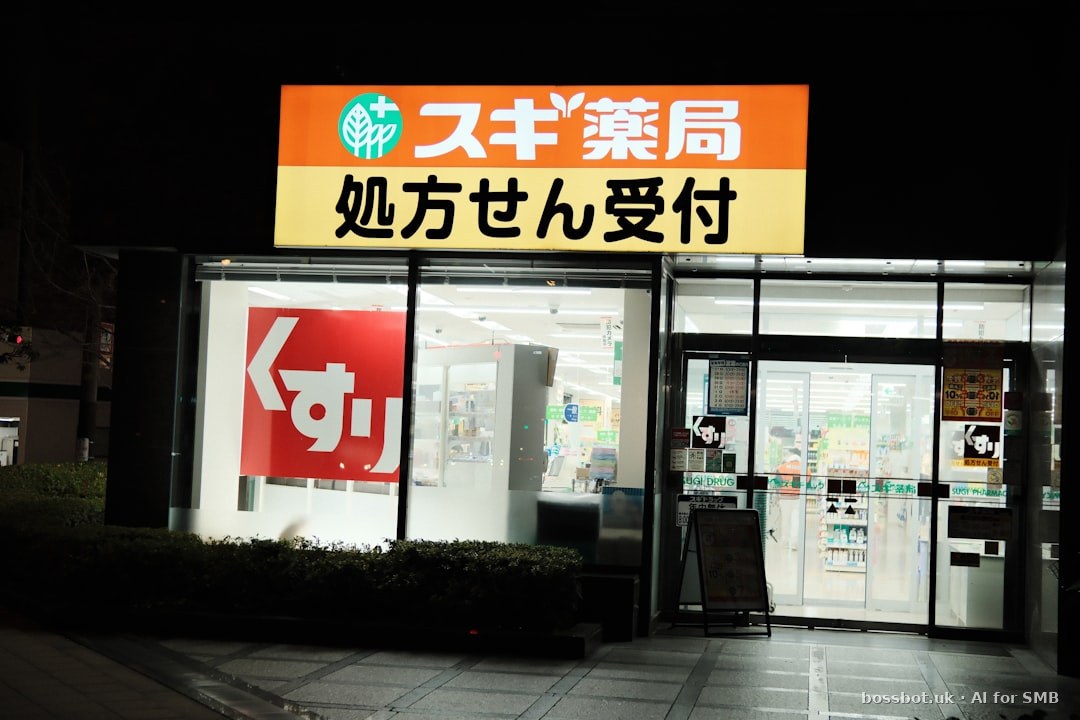
How UK Pharmacies Use WhatsApp to Reduce Uncollected Prescriptions and Improve Adherence
Uncollected prescriptions are a persistent challenge for UK community pharmacies — NHS Business Services Authority data shows that significant medication waste occurs when dispensed prescriptions are not collected, with costs absorbed by the NHS and the pharmacy's dispensing workflow. WhatsApp Business API addresses this through automated notification sequences that are more effective than SMS or phone calls for reaching patients promptly.
The core WhatsApp workflow for UK pharmacy prescription management:
Prescription ready notification: When a prescription is dispensed and ready for collection, a WhatsApp message notifies the patient: 'Hi [Name], your prescription from [Surgery Name] is ready to collect at [Pharmacy Name]. Our opening hours are [hours]. Please collect within 14 days.' For NHS prescriptions, this is a service communication triggered by the dispensing action — it does not require separate PECR marketing consent provided the patient has opted in to WhatsApp communications as part of their pharmacy registration.
Collection reminder: If the prescription is not collected within 5 days, a follow-up message: 'Reminder: Your prescription at [Pharmacy Name] is still awaiting collection. Please collect by [date] or contact us if you need to make alternative arrangements.'
Repeat prescription reminder: For patients on regular medication, a reminder when the next supply is due: 'Hi [Name], your repeat prescription for [medication] is due within the next 7 days. Would you like us to request it from your GP? Reply YES to request or STOP to unsubscribe from reminders.' This proactive prompt reduces gaps in medication supply and the NHS wasted medicines problem.
NHS service appointment reminders: UK community pharmacies providing NHS Pharmacy First services (minor illness consultations, contraception, blood pressure checks), flu vaccination clinics, and smoking cessation support can send appointment reminders for booked sessions. These are service communications related to the patient's booked appointment — no separate PECR marketing consent required.
WATI ($29/month flat rate) is the most common BSP platform for independent UK pharmacies. Integration with pharmacy management systems (Rx Web, PharmOutcomes) via Zapier enables dispensing-event-triggered notifications without manual staff action.
GPhC Standards and NHS Pharmacy Framework: What Applies to WhatsApp
UK pharmacists and pharmacies operating in Great Britain are regulated by the General Pharmaceutical Council (GPhC). The GPhC's Standards for Pharmacy Professionals (9 standards) and the GPhC's Standards for Registered Pharmacies apply to digital communications including WhatsApp.
GPhC Standard 4 — Maintain, develop and use your professional knowledge and skills: Clinical information communicated via WhatsApp must be accurate and within the pharmacist's professional knowledge. Automated FAQ responses to clinical queries (e.g., 'Can I take X with Y?') should be limited to documented, accurate information. Complex or ambiguous drug interaction queries should route to a pharmacist, not be answered by an automated flow.
GPhC Standard 6 — Communicate effectively: GPhC guidance on communication applies to all channels, including messaging. WhatsApp messages to patients must be clear, accurate, and not misleading. Clinical advice provided via WhatsApp (whether automated or by a pharmacist) must be appropriate and documented.
GPhC Standard 8 — Speak up when things are wrong: If automated WhatsApp flows generate patient confusion or lead to medication errors, these are reportable incidents. Pharmacy staff should monitor inbound WhatsApp messages for signs of patient distress, clinical misunderstanding, or urgent queries that require immediate human response.
Patient confidentiality: GPhC guidance on confidentiality applies to all communication channels. WhatsApp messages containing prescription details, medication information, or clinical advice are confidential patient information. Communications should be conducted through the pharmacy's BSP platform business inbox, not individual pharmacist personal phones. Message content should be limited to what is necessary — prescription name and 'ready for collection' is appropriate; detailed dosage instructions for Schedule 2 controlled drugs are not.
NHS Community Pharmacy Contractual Framework (CPCF): UK pharmacies operating under the NHS CPCF should review whether any WhatsApp-delivered communications intersect with their NHS contracted services. NHS Pharmacy First consultations and clinical referrals must be documented in PharmOutcomes or equivalent NHS reporting systems — WhatsApp coordination of these appointments should not replace the clinical record documentation requirement.
NHS Pharmacy First and WhatsApp: Appointment Management for Clinical Services
NHS England's Pharmacy First scheme (launched January 2024) enables community pharmacists to assess and treat patients for seven common conditions without a GP appointment: urinary tract infections (women), shingles, sinusitis, sore throat, impetigo, infected insect bites, and earache (children). Pharmacies providing Pharmacy First consultations face an appointment management challenge: walk-in services create unpredictable demand, while booked slots may go unfilled.
WhatsApp enables practical appointment management for NHS Pharmacy First:
Patient self-referral acknowledgement: When a patient contacts the pharmacy via WhatsApp to enquire about Pharmacy First ('Do you offer the free NHS consultation for UTI?'), an automated response provides: availability of the service at this pharmacy, whether booking is required, and the GP practice connection requirement for NHS eligibility. This handles initial enquiries without reception staff involvement.
Appointment confirmation and reminder: For pharmacies operating a booking system for Pharmacy First (or other clinical services like blood pressure checks, smoking cessation, or flu jabs), WhatsApp confirmation and 24-hour reminder messages reduce DNA (Did Not Attend) rates and allow the slot to be offered to another patient.
Wait time management: For walk-in services, a WhatsApp 'virtual queue' message can inform patients of approximate wait times: 'Hi, we're currently seeing patients with a 20-minute wait. Reply HERE to hold your place or LATER to be notified when a slot opens.' This reduces physical waiting and patient frustration.
Flu vaccination campaign broadcasts: Seasonal flu vaccination campaigns sent to opted-in patient lists ('Free NHS flu jab now available — reply BOOK to schedule your appointment') are marketing communications under PECR and require prior explicit opt-in consent from each patient. These differ from appointment reminders for existing bookings, which are transactional service communications.
Controlled drugs and prescription-only medicines: WhatsApp cannot be used to dispense, prescribe, or remotely authorise prescription-only medicines. Automated messages must not imply that prescription decisions can be made via WhatsApp. Referrals to NHS 111 or emergency services should be included in any automated flow that detects urgent clinical symptoms.
UK GDPR Article 9 and PECR for Pharmacy Patient Communications
UK pharmacies processing patient health data via WhatsApp operate under heightened data protection obligations because health information is special category data under UK GDPR Article 9.
Article 9 special category data: Information about a patient's prescription, medical condition, or treatment is health data — special category data under Article 9. Processing special category data requires both a standard UK GDPR lawful basis (such as legitimate interests or contract performance) AND a specific Article 9(2) condition. For pharmacies, the most applicable conditions are:
- Article 9(2)(h) — processing necessary for the provision of health or social care (covers prescription management, appointment coordination, and clinical follow-up).
- Article 9(2)(a) — explicit consent (required for marketing messages and non-essential communications).
PECR consent for marketing messages: WhatsApp broadcasts promoting pharmacy services (seasonal health campaigns, private service promotions, NHS 111 sign-posting) are marketing communications requiring prior explicit opt-in consent. Prescription collection notifications and appointment reminders are transactional service communications that do not require separate PECR marketing consent, provided they relate directly to a transaction the patient has initiated.
Data Processing Agreement: A signed DPA with the WhatsApp BSP provider is required under UK GDPR Article 28. The DPA must specify that patient data is processed only for message delivery purposes and not used by the BSP for any other purpose. For BSPs headquartered outside the UK (WATI in Singapore, Respond.io in Hong Kong), the DPA must include the UK IDTA as the Article 46 transfer mechanism.
Data minimisation: Pharmacy WhatsApp messages should contain the minimum necessary information. 'Your prescription is ready' is preferable to 'Your [specific medication name] prescription for [condition] is ready' — the latter unnecessarily includes clinical detail in a message that may be read by others with access to the patient's phone. ICO guidance on data minimisation under UK GDPR Article 5(1)(c) applies.
Right to erasure (Article 17): Patients can request deletion of their personal data. Pharmacy WhatsApp conversation records should be subject to the same retention and erasure policy as other patient records — typically aligned with NHS guidance on clinical record retention (minimum 8 years from last episode for adult records, longer for paediatric records).
Sources
Data + numbers referenced in this article are sourced from these public documents:
Frequently Asked Questions
BossBot for Pharmacies
Product page with honest feature list, "not for you if" filter, and live demo for this vertical.
See /for/pharmacy →Ready for a Smarter WhatsApp Strategy?
Experience the power of BossBot AI for your small business. Set up in under an hour. 7-day free trial, no credit card required.
Start Free TrialNot ready to sign up yet? Try the free demo →