WhatsApp for Pharmacies in India: 2026 Guide to Schedule H Compliance, UPI
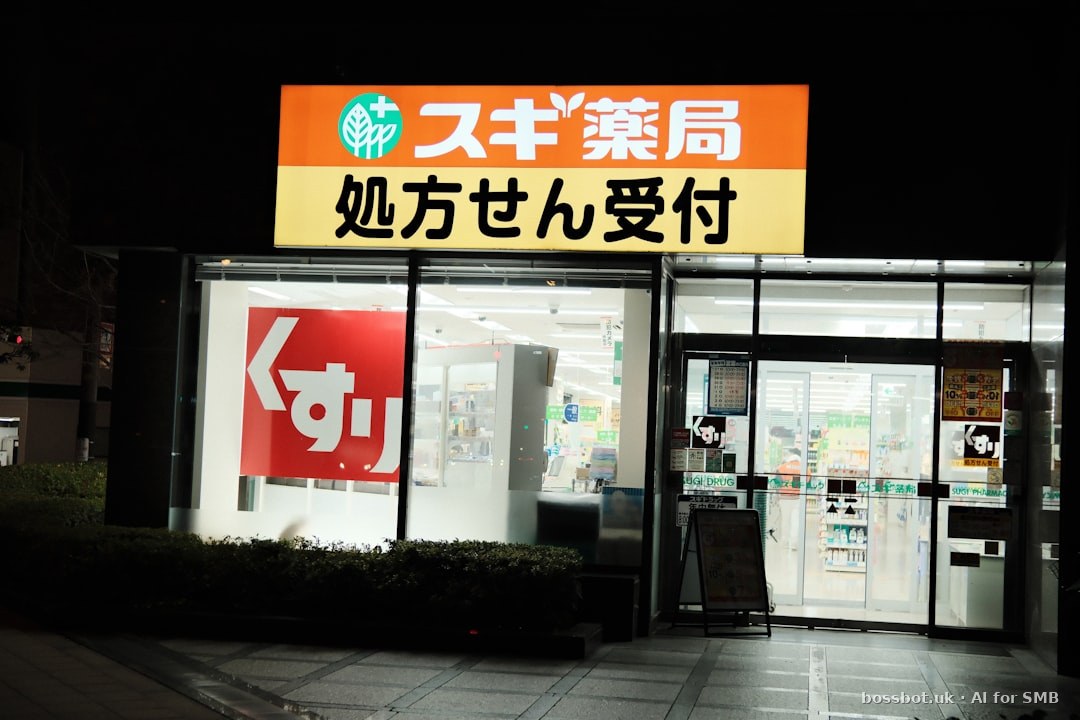
How Indian pharmacies use WhatsApp Business in 2026 — Schedule H prescription verification, UPI collection via Bharat QR, chronic-disease refill
- The chronic-disease refill loop is the highest-value automation for Indian pharmacies
- Schedule H, H1, and X: what WhatsApp cannot substitute for
- UPI and Bharat QR: the payment layer WhatsApp handles smoothly
- The DPDP Act 2023 and ABDM: the compliance floor for patient data
- What WhatsApp Business Platform costs in India
- The metric that predicts pharmacy growth on the WhatsApp channel
- What to keep off automation in an Indian pharmacy
The chronic-disease refill loop is the highest-value automation for Indian pharmacies
Indian pharmacy customer relationships tend to fall into two categories with very different economics. Acute-episode customers (a viral fever, an allergic reaction, a minor injury) generate a single-purchase transaction and rarely return to the same pharmacy for six to twelve months. Chronic-disease customers — hypertension, type 2 diabetes, hypothyroidism, dyslipidaemia — generate monthly refills, often for years, and represent the pharmacy's stable revenue base.
WhatsApp automation is disproportionately valuable for the chronic-disease category. A monthly-refill workflow that reminds the patient two days before their prescription is due to run out, confirms whether they need the same medication list or an updated one, coordinates delivery or pickup, and processes UPI payment, replaces a fragile chain of missed calls, forgotten refills, and patient-driven pharmacy switching.
The operational pattern that Indian pharmacies converge on: at the end of a chronic-medication dispensing, the pharmacist tags the patient in the CRM with the medication list, refill interval (typically 28 days for most chronic drugs), and next expected refill date. Automation runs on that timer. Two days before the next refill, the patient receives a WhatsApp message: 'Namaste [name], your monthly Amlodipine + Metformin refill is due on [date]. Reply YES to confirm and we'll deliver via Dunzo/Porter, or reply COLLECT to pick up.' Payment via UPI QR is embedded.
This is one of the few automation flows where the productivity gain is verifiable and significant.
Schedule H, H1, and X: what WhatsApp cannot substitute for
India's Drugs and Cosmetics Act 1940 and Rules 1945 categorise medicines by dispensing requirements. Schedule H medicines require a prescription from a registered medical practitioner and can be dispensed only against that prescription. Schedule H1 (a subset covering specified antibiotics, sedatives, and anti-tuberculosis drugs) requires the pharmacy to maintain a separate register with patient details, prescriber details, and quantity dispensed for three years, with prescription retention. Schedule X (a narrower category of controlled psychotropic substances) requires additional prescription-form controls and pharmacy-side record retention for two years.
What WhatsApp automation can do in the Schedule H workflow:
- Confirm receipt of a prescription image from the patient and file it in the pharmacy's records.
- Coordinate delivery of prescription-verified medications for chronic patients whose ongoing prescription is on file.
- Notify patients that their prescription is expiring and needs a doctor visit before the next refill can be dispensed.
What WhatsApp automation cannot do:
- Substitute for the pharmacist's dispensing decision on Schedule H drugs. Every dispensing requires pharmacist review.
- Automate the Schedule H1 register maintenance. The pharmacy still keeps the physical or approved-electronic register.
- Automate dispensing of Schedule X medications. These require in-person prescription verification per rule.
Pharmacies that overreach here — using automation to bypass pharmacist review for Schedule H drugs — expose themselves to CDSCO regulatory action and licence risk.
UPI and Bharat QR: the payment layer WhatsApp handles smoothly
Unified Payments Interface (UPI), operated by NPCI, has transformed Indian consumer payments since its 2016 launch. For pharmacies, UPI is now the dominant customer payment rail, particularly for delivery orders and chronic-disease refills where the transaction happens away from a physical POS.
WhatsApp automation for an Indian pharmacy should include a UPI collection flow. On refill confirmation:
- The automation generates a UPI intent link or Bharat QR (via the pharmacy's payment aggregator — RazorPay, PayU, Cashfree, or a bank's business UPI service).
- The customer taps the link (which opens their preferred UPI app — Google Pay, PhonePe, Paytm, or bank apps) or scans the QR.
- The customer completes the payment; the aggregator's webhook confirms to the pharmacy's system.
- The automation dispatches an order confirmation with estimated delivery window and a payment receipt.
UPI transactions settle to the pharmacy's bank account effectively instantly (within seconds during banking hours, within minutes at other times). NPCI's UPI is the world's highest-volume real-time payment system by daily transaction count, and the reliability at Indian pharmacy scale is not a concern.
One cost note: NPCI's UPI is free for merchants for peer-to-merchant (P2M) transactions below the threshold applicable to the pharmacy's aggregator agreement (typically INR 2,000 per transaction, with Merchant Discount Rate around 0.4% for larger transactions depending on payment aggregator's commercials). For the medication values typical in Indian pharmacy — INR 200 to INR 3,000 per refill — the effective transaction cost is very low compared to card processing.
The DPDP Act 2023 and ABDM: the compliance floor for patient data
India's Digital Personal Data Protection Act 2023, published by the Ministry of Electronics and Information Technology (MeitY), sets the compliance floor for how Indian businesses process personal data. For pharmacies, four provisions apply operationally.
Explicit, informed consent is required for processing personal data, particularly for automated communications and data sharing. The consent must be specific, freely given, and revocable. Pharmacies should collect consent at the time of first dispensing for two purposes separately: operational communication (refill reminders, delivery updates) and marketing communication (health broadcasts, promotional offers).
Definitions of sensitive personal data include health information. Medication history, prescription records, and doctor referrals fall into this category. DPDP Act obligations for sensitive data processing are stricter — pharmacies should minimise the data collected, retain it only as long as operationally or regulatorily necessary, and ensure secure storage.
Data principal rights (access, correction, deletion, opposition) must be honoured within DPDP Act response windows. A patient who requests removal from the pharmacy's WhatsApp list must be removed; a patient who requests their medication history for their own records is entitled to receive it.
Breach notification obligations apply. In the event of a data compromise, the pharmacy is expected to notify the Data Protection Board of India (once operational; the Board is in the process of being constituted at the time of writing) and affected patients.
Separately, the Ayushman Bharat Digital Mission (ABDM) has introduced the ABHA number (14-digit Ayushman Bharat Health Account identifier) for patient health records. Pharmacies integrated with ABDM can, with patient consent, pull the patient's prescription history from linked ABDM providers. This is an emerging capability; not all pharmacies are integrated, but the direction is toward broader adoption.
What WhatsApp Business Platform costs in India
Meta's 2025 pricing update sets India per-conversation rates in a low-cost band. Utility conversations — the category covering refill reminders, delivery updates, UPI payment collection prompts, and prescription-expiry notices — are priced at approximately USD 0.0035 per 24-hour conversation window. India is one of the lower-cost markets for WhatsApp Business Platform globally.
For an Indian pharmacy running 1,500 utility conversations per month (refill reminders, delivery status, payment confirmations, prescription follow-ups) plus 200 marketing conversations, Meta's fees fall in the USD 8 to 20 monthly range. The main cost of running automation sits in the software layer connecting to Meta's API and the pharmacy's inventory and CRM systems.
Current rates should be verified on Meta's WhatsApp Business Pricing page as they are revised periodically.
The metric that predicts pharmacy growth on the WhatsApp channel
Indian pharmacies often measure the wrong things. Message open rates for utility conversations approach 100 percent — the patient had a refill or delivery due. Reply rates reflect patient attentiveness in general.
The number that predicts an Indian pharmacy's growth on the WhatsApp channel is chronic-refill retention rate at the 6-month mark: the percentage of chronic-disease patients who continue receiving refills from the same pharmacy for six consecutive months after their first automated-refill cycle.
Rates above 75 percent indicate a functioning chronic-care relationship — the pharmacy is providing enough value that the patient does not switch. Rates between 50 and 75 percent indicate acceptable retention with room to improve (typically through better delivery reliability or price-competitive stocking of common chronic medications). Rates below 50 percent, sustained over consecutive months, indicate one of three underlying issues: chronic-medication stock-out issues (patient switches when a preferred SKU is unavailable), delivery unreliability, or a competing pharmacy offering better prices or convenience.
WhatsApp automation moves this number through reliability: consistent timing on the refill reminder, honest delivery-window commitments, transparent stock availability at reminder time. This is different from generic promotional broadcasts and should be tracked separately. Any Indian pharmacy investing in WhatsApp automation should report this figure monthly.
What to keep off automation in an Indian pharmacy
Pharmacy communication in India involves both regulatory and emotional dimensions. Automation should respect both.
Specific content that should stay in human hands: any adverse-reaction or side-effect report from a patient (immediate pharmacist attention required); prescription changes the pharmacist needs to clarify with the prescriber; new-diagnosis situations where the patient is dispensing a chronic-condition medication for the first time (personal explanation of usage, storage, and adherence has clinical value); any communication about a patient in a serious health situation (family members coordinating care for an elderly patient recovering from surgery or a stroke deserve personal contact from the pharmacist); and language-nuance messaging (Indian pharmacies serve patients across many languages, and automated Hindi or English may miss a patient's actual preferred communication language).
Automation belongs on: refill reminders (opt-in for chronic conditions), delivery status updates, UPI payment confirmations, prescription-expiry notices, holiday-hours broadcasts, and generic OTC availability updates (with proper marketing consent).
The division that operational Indian pharmacies converge on: automate the operational scaffolding around chronic-care relationships, and reserve pharmacist time for anything that touches the patient's health, family, or clinical circumstances. Indian pharmacy customers, particularly chronic-disease patients coordinating care for elderly family members, notice the difference and reward it with the multi-year loyalty that anchors pharmacy revenue.
Sources
Data + numbers referenced in this article are sourced from these public documents:
Frequently Asked Questions
BossBot for Pharmacies
Product page with honest feature list, "not for you if" filter, and live demo for this vertical.
See /for/pharmacy →BossBot for Indian pharmacies
WhatsApp Business Platform automation with chronic-refill reminder flows, UPI/Bharat QR collection, Schedule H prescription image coordination, and DPDP Act 2023-compliant consent. Seven-day free trial, no card required.
Start Free TrialNot ready to sign up yet? Try the free demo →