WhatsApp for Interior Designers in the Philippines: 2026 Guide to Condo
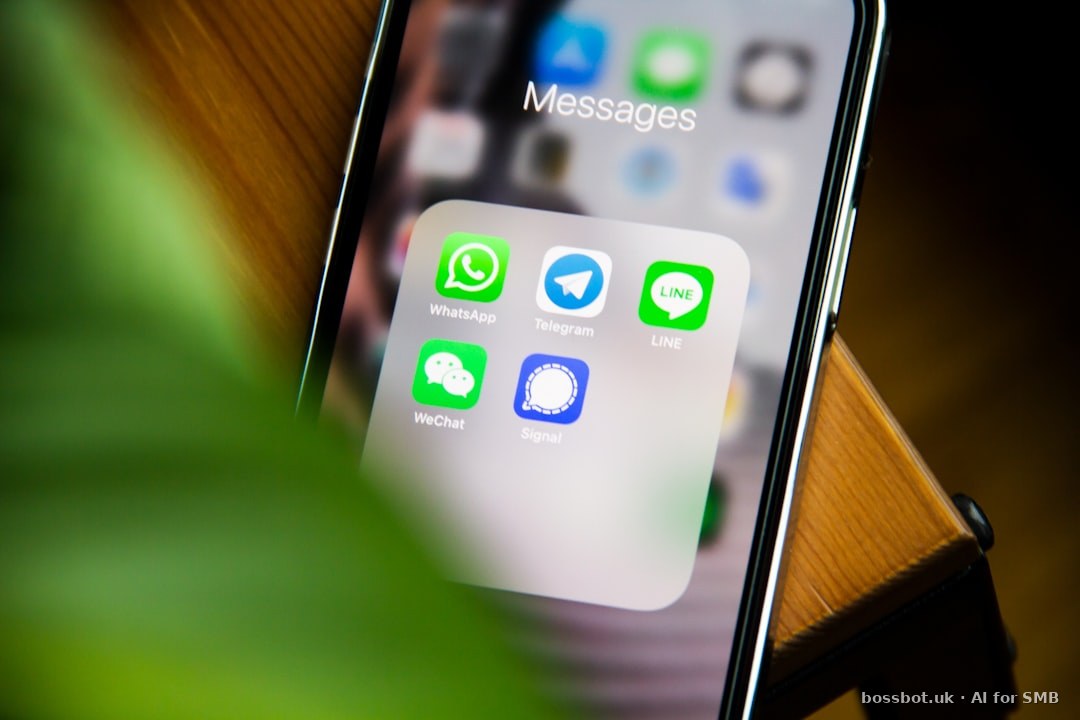
How Philippine interior designers use WhatsApp Business in 2026 — Metro Manila condo project flows, GCash/Maya retainer collection, PRC IDr licensure
- The Metro Manila condo market shapes Philippine interior design operations
- GCash and Maya: the retainer and milestone-payment layer
- PRC Board of Interior Design: what licensure disclosure should surface
- BIR OR delivery: the invoicing layer WhatsApp handles well
- Data Privacy Act 10173: the compliance floor for client data
- What WhatsApp Business Platform costs in the Philippines
- The metric that predicts Philippine interior design growth
The Metro Manila condo market shapes Philippine interior design operations
Philippine interior design in 2026 operates against a market context that shapes WhatsApp automation choices distinctly. Metro Manila's condominium market — dominated by Ayala Land, SMDC, DMCI, Megaworld, and Federal Land in the mid-market segment — generates a continuous pipeline of studio, one-bedroom, and two-bedroom units where a licensed interior designer or design consultant is hired to plan the layout, finishes, and furnishings.
The typical project scale in this segment is compact and time-sensitive. A 30 to 45 square metre studio in Ortigas, BGC, Makati, or Alabang typically has a 4-to-6-week design-and-execution window between condo turnover (when the developer hands the unit to the owner) and move-in. The design process is often coordinated across the OFW (Overseas Filipino Worker) owner or a family relative in the Philippines handling logistics, contractors sourced through referral networks, and suppliers for tiles, cabinetry, and furniture in Mandaluyong, Pasig, or the Ortigas fringe.
WhatsApp is central to this coordination. It carries the design conversation with the OFW owner (typically in Dubai, Saudi Arabia, Hong Kong, Singapore, or Canada), the practical execution conversation with the contractor and suppliers on the ground in the Philippines, and the milestone-communication with the client's family representative doing the site visits. Interior designers who structure WhatsApp automation for this three-party coordination workflow can handle significantly more concurrent projects than those relying on ad-hoc messaging.
GCash and Maya: the retainer and milestone-payment layer
Philippine consumer payment behaviour has consolidated substantially around GCash and Maya (formerly PayMaya). Both are Filipino e-money institutions with high domestic consumer penetration. For interior designers collecting retainers and milestone payments, both are the standard rails.
A typical Philippine interior design project uses a phased payment structure: initial design retainer (20-30 percent of design fee) on engagement, milestone 1 payment after concept approval, milestone 2 payment after detailed design lock, and final payment on execution completion. WhatsApp automation should support each milestone with a GCash or Maya QR code, the milestone amount, and a plain-language description of what the payment covers.
For OFW clients paying from abroad, the flow is different. Direct international transfers to a Philippine peso account via remittance services (Wise, Remitly, Western Union, or the OFW's bank's international transfer) are the primary rail. Automation should support the alternative flow: request the transfer to a specific Philippine bank account with a defined reference, confirm on receipt, and dispatch the payment confirmation.
One cost note relevant to Philippine interior design: for higher-value milestone payments (typically over PHP 50,000), some clients prefer bank-to-bank InstaPay or PESONet transfer over e-wallet rails. Automation should offer both options and let the client choose. Both InstaPay and PESONet are Bangko Sentral ng Pilipinas-operated interoperable payment systems with near-instant settlement (InstaPay) or same-business-day settlement (PESONet).
PRC Board of Interior Design: what licensure disclosure should surface
The Philippine Interior Design Act of 2012 (Republic Act 10350) established the Professional Regulation Commission (PRC) Board of Interior Design and defined the scope of practice. Licensed interior designers use the designation IDr (Interior Designer, Registered) and are listed in the PRC's public roster.
Clients working on higher-value projects (custom homes, high-end condominium renovations, commercial spaces) increasingly verify designer credentials through the PRC roster before engaging. WhatsApp automation should surface the designer's PRC IDr registration number, licence status, and any specialty registrations in the first-response template.
This matters more than it might in other markets. The Philippine market includes a mix of licensed IDr practitioners, unlicensed design consultants operating under various naming conventions, and interior stylists who focus on furniture and accessories rather than structural/spatial design. Clients seeking a licensed designer for permitting, commercial code compliance, or high-value project execution should be able to verify the designer's IDr status quickly. Automation that surfaces this in the first response supports the licensed practitioner's positioning.
Separately, some Philippine interior design projects require coordinated stamped drawings from a licensed architect or civil engineer for structural modifications. Interior designers should be clear in WhatsApp communications about what falls within IDr scope versus what needs referral to an allied professional.
BIR OR delivery: the invoicing layer WhatsApp handles well
The Bureau of Internal Revenue (BIR) requires business-registered service providers to issue Official Receipts (ORs) for services rendered. Interior designers registered with the BIR as either individual professionals or as a small design studio need to issue ORs for each milestone payment received.
BIR has progressively rolled out the eBIR system, which permits electronic OR issuance for taxpayers enrolled in the system. Interior designers enrolled in eBIR can generate ORs electronically; those not enrolled continue to issue physical ORs from BIR-approved receipt booklets.
WhatsApp automation handles the OR delivery step for both cases:
- For eBIR-enrolled designers: after generating the electronic OR, automation dispatches the PDF to the client via WhatsApp along with a confirmation of the milestone payment applied.
- For manual OR designers: automation dispatches a photograph of the manually-issued OR (with the client's name, TIN if provided, and the amount) with a note that the original physical copy will be provided at the next site meeting.
OFW clients often need the OR for tax deduction in their country of residence (interior design fees may be deductible against Philippine-source rental income for OFWs planning to lease the condo unit). Timely OR delivery is a client-service signal worth optimising for.
Data Privacy Act 10173: the compliance floor for client data
Republic Act 10173 (Data Privacy Act of 2012), administered by the National Privacy Commission (NPC), applies to Philippine interior designers processing client personal data — client's name, address, phone number, TIN if provided, family details for project scoping, and site photographs.
Four provisions apply operationally:
Consent for processing personal data is required, particularly for automated communications and sharing with contractors and suppliers. A designer coordinating a project across an OFW client, a family representative, a contractor, and multiple suppliers is sharing the client's contact details with each party; the client's consent to this data flow should be documented at engagement.
Data minimisation applies. A designer does not need the client's date of birth, mother's maiden name, or full family history for a condo renovation project. Collecting what is not operationally necessary creates NPC compliance exposure.
Data subject rights (access, correction, deletion, opposition) must be honoured within NPC response windows. A client who requested removal from marketing broadcasts must be removed.
Breach notification obligations apply. In the event of a data compromise (contractor mishandling client contact details, project files leaked), the designer is expected to notify the NPC and affected clients per NPC guidelines. The NPC has issued sanctions to Philippine businesses for RA 10173 violations.
What WhatsApp Business Platform costs in the Philippines
Meta's 2025 pricing update sets Philippines per-conversation rates in a mid-lower band. Utility conversations — the category covering milestone-payment prompts, OR delivery, project-update notifications, site-visit coordination — are priced at approximately USD 0.0217 per 24-hour conversation window at the time of writing.
For a solo interior designer handling 6 to 12 concurrent projects across various milestones, monthly utility conversation volume is typically 150 to 400 (milestone requests, OR delivery, coordination messages, site-visit reminders across three-party OFW/family/contractor communication). At this volume, Meta's fees fall in the USD 3 to 10 monthly range.
Design studios handling higher volumes scale linearly. Marketing conversations — portfolio announcements, seasonal promotions, referral offers — cost more per conversation. Current rates should be verified on Meta's WhatsApp Business Pricing page.
The metric that predicts Philippine interior design growth
Philippine interior designers often measure the wrong things. Instagram portfolio engagement reflects visibility, not booking conversion. Message volume grows naturally with active projects.
The number that predicts a Philippine interior designer's business growth is referral-driven engagement rate: the percentage of new project engagements each quarter that came via explicit referral from a past client, past client's family, or a past contractor.
Philippine interior design markets operate through dense professional and personal referral networks. A designer with a referral-driven engagement rate above 60 percent is running a business that compounds — past-client satisfaction generates the pipeline, and marketing spend is largely optional. Rates below 30 percent, sustained over quarters, indicate the designer is functioning more as a Instagram-lead-flow-dependent practitioner and is vulnerable to platform algorithm changes.
WhatsApp automation moves this number through project-close-out quality. A well-run project close-out — final walk-through documentation, warranty details for finishes and appliances, before-and-after photography with client's consent for portfolio use — creates the natural referral moment. A poorly-run close-out (unclear final payment amount, missing documentation, no post-project follow-up) does not.
Any Philippine interior designer investing in WhatsApp automation should track referral-driven engagement rate quarterly. Movement in this number over two to three quarters indicates the automation and the broader client-experience discipline are doing structural work.
Sources
Data + numbers referenced in this article are sourced from these public documents:
Frequently Asked Questions
BossBot for Philippine interior designers
WhatsApp Business Platform automation with three-party OFW/family/contractor coordination templates, GCash/Maya milestone requests, PRC IDr credential surfacing, and RA 10173-compliant consent flows. Seven-day free trial, no card required.
Start Free TrialNot ready to sign up yet? Try the free demo →