WhatsApp Recruitment in India: Three Candidate Scenarios and How Automation
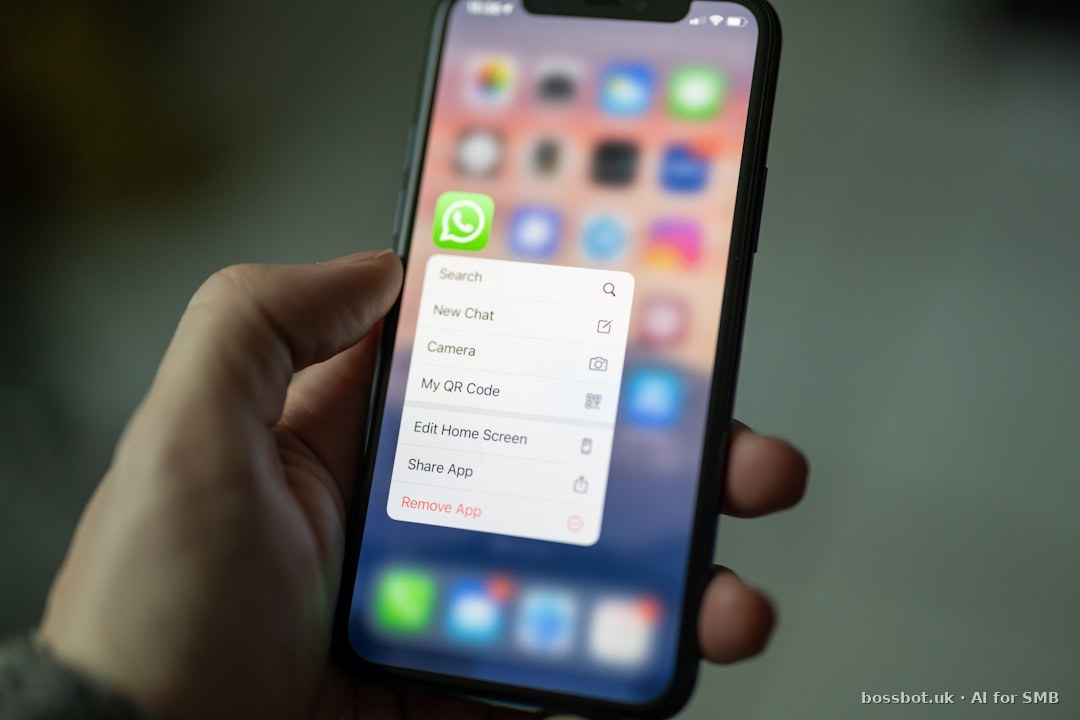
Scenario-based read on Indian recruitment via WhatsApp — the Tier-1 engineering candidate, the Tier-2/3 city applicant, and the blue-collar/gig-adjacent
Why scenarios rather than a single workflow
Indian recruitment operates across candidate populations with materially different context, expectations, and communication rhythms. A single WhatsApp workflow that treats all candidates identically produces friction for at least one segment and often for all three.
Three candidate scenarios are worth designing for explicitly. The Tier-1-city engineering or professional-services candidate. The Tier-2 or Tier-3 city applicant expanding their access to metro-based opportunities. And the blue-collar or gig-economy-adjacent candidate for whom WhatsApp is often the primary online interaction.
Each section below walks through one scenario — what the candidate looks like, what they expect, and what automation should do at each stage of the recruitment funnel.
Scenario 1: The Tier-1 city engineering candidate
Priya is a software engineer with four years of experience at a large product company in Bengaluru. She's on the market — passively, but her LinkedIn shows recent activity on companies she'd consider. A recruiter reaches out via WhatsApp on her mobile.
What Priya expects: a professional-toned message from a specific person (not a bot), with clear information about the role (company, function, seniority, expected compensation range), and the option to schedule a call at a time convenient for her. She's answered hundreds of recruitment messages over the years and has developed strong filters for what to engage with.
What automation should do:
First response should identify the sender clearly (the specific recruiter's name and firm, not a generic 'Talent Acquisition Bot'). Role details should include specific title, company, function, seniority, and compensation range. Vague messaging fails. Direct information succeeds.
Calendar coordination should offer specific available slots rather than open-ended 'when are you free?' — Priya's time is limited and Calendly-style embedded scheduling shows respect. Meta's WhatsApp Cloud API integrates with calendar systems (Google Calendar, Calendly, and specialised recruitment scheduling tools).
Interview process transparency: after the initial call, the automated flow should communicate the process clearly — how many rounds, what each covers, expected timeline. Silence or slow response damages the candidate relationship and Priya walks.
Compensation discussion: don't automate compensation negotiation. Automated messages about salary bands read poorly. The recruiter handles this personally at the appropriate stage.
Rejection communication: if the candidate is not moving forward, automated communication is acceptable if warm and specific (referencing something from the interviews, not a generic template). Cold generic rejections at this level damage the recruiter's brand across the candidate's professional network.
Scenario 2: The Tier-2/Tier-3 city applicant
Rajesh is a mid-level developer based in Coimbatore, Nagpur, or Jaipur — Tier-2 or Tier-3 city. He's applying to a Bengaluru-based role for the first time, which involves relocating or negotiating remote work. His communication style is different from Priya's: he's more responsive to messages, more grateful for opportunities, more thorough in providing information the recruiter asks for.
What Rajesh expects: clear communication about the opportunity, the relocation or remote-work terms, and the practical steps involved. He may not be as familiar with the recruitment process norms of large tech companies.
What automation should do:
First response should be clear about the location expectation — remote-first, hybrid, or requiring relocation. This is often the first question a Tier-2/3 candidate asks and unclear communication damages the process from the start.
Documentation collection can be more structured. Aadhaar-linked KYC verification (with the candidate's consent) via DigiLocker integration streamlines the verification steps that would otherwise require multiple back-and-forth messages. This is a case where automation genuinely saves time on both sides.
Language flexibility matters. English is often not the candidate's first-choice communication language even if they operate professionally in it. WhatsApp automation should support Hindi, Tamil, Telugu, Kannada, or Marathi templates depending on the candidate's regional context. Voice notes in the preferred language work particularly well.
Relocation coordination: if the role involves relocation, automated coordination of the practical steps — city guides, temporary accommodation options, tax implications of relocating — reduces friction. This is often where Tier-2/3 candidates drop out because the practical logistics feel overwhelming.
Referral bonus coordination: if the candidate came via a referral bonus program, the recruiter's own bank / payroll platform should push the UPI transfer of the bonus to the referring party on a set schedule, and the WhatsApp workflow should fire a clear confirmation message once the transfer is confirmed (via a UPI status webhook or a payroll platform notification) so the referrer sees it landed. Confusion here damages future referral pipeline.
Scenario 3: The blue-collar or gig-economy-adjacent candidate
Kumar is a delivery driver, warehouse worker, or field-service technician. He's looking for work or considering switching employers. WhatsApp is his primary online interaction. He may not have a formal CV. He communicates in voice notes in his regional language more often than in typed text.
What Kumar expects: clear information about the job (specific role, location, shift, pay per shift or per month), a straightforward application process, and prompt communication about next steps. He often applies to multiple opportunities simultaneously and joins the first one that responds fastest and clearest.
What automation should do:
First response: crystal clear job details in the candidate's preferred language. Location, shift, pay, benefits, contact for questions. Voice-note-friendly (short messages that read well when converted to speech).
Application process: replace the CV requirement with structured questions the automation asks in sequence. Name, age, education, prior work experience, availability, preferred shift. Each answered separately, filed against the candidate's application record.
Document verification: Aadhaar-linked KYC via DigiLocker (again, with consent). Driving licence for delivery roles. Vehicle documents if the role involves the candidate's own vehicle (common in food delivery and last-mile logistics).
Interview scheduling: often just a phone call at a specific time. Automation can dispatch the calendar invitation and reminder. Video interviews may not be feasible (data cost, device limitations, environment); automation should adapt.
Offer communication: clear terms, joining date, joining bonus if applicable, expected first pay date, contact for any issues. Payment coordination — many blue-collar hires involve daily or weekly wage payments via UPI or bank transfer. Setting up the payment rail on the first day of work reduces confusion in the first week.
This is the scenario where WhatsApp automation returns the most concrete value for the largest volume of candidates. Well-configured blue-collar recruitment can process large volumes of applications with meaningful quality while keeping the candidate experience respectful. Poor automation reads as exploitative and damages employer reputation quickly in tightly-connected worker communities.
Sources
Data + numbers referenced in this article are sourced from these public documents:
Frequently Asked Questions
BossBot for Indian recruitment firms
WhatsApp Business Platform automation with scenario-based candidate flows, DigiLocker KYC integration, multi-language voice-note templates, UPI wage-payment coordination, and DPDP Act 2023-compliant separated consent. Seven-day free trial, no card required.
Start Free TrialNot ready to sign up yet? Try the free demo →