Top 5 Kommo Alternatives for Event Planners
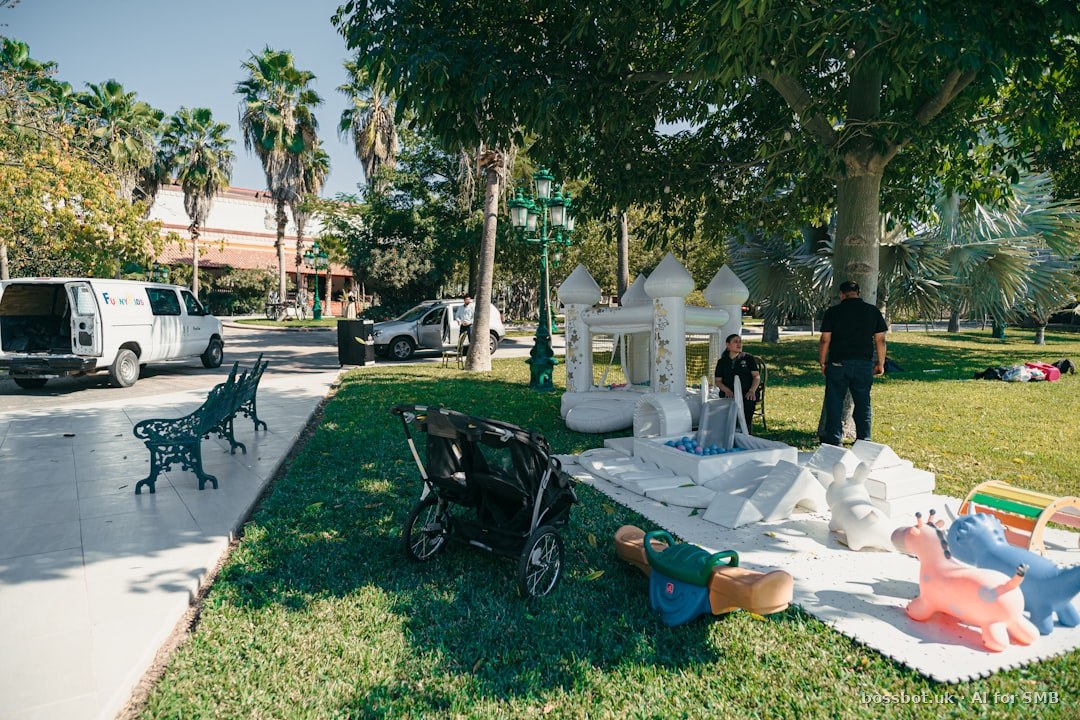
Searching for Kommo alternatives? Discover the top 5 CRM software options tailored for event planners. Compare features and find your ideal solution.
What Kommo actually is (and what it isn't)
Kommo — rebranded from amoCRM in 2022 — is a messenger-based sales-pipeline CRM. Its published positioning on kommo.com frames the product around lead capture from chat channels (WhatsApp, Instagram DM, Facebook Messenger, Telegram, email), pipeline stages, and sales-team task management. It is a horizontal CRM used across real estate, agencies, education and small B2B services.
It is not an event-planning platform. Kommo ships no proposal-and-contract flow tied to event dates, no vendor management (florist, catering, AV, photographer, transport), no guest-list module with RSVP tracking, no seating-chart tool, no run-of-show or day-of-event timeline builder, no venue-diagram or floor-plan management, no BEO (banquet event order) generation for F&B events, and no ceremony/rehearsal scheduling. Those are the load-bearing features of a working event-planning operation, and in Kommo they would either be absent or bolted on through custom fields, a shared spreadsheet, or a separate vertical tool.
That is not a criticism of Kommo — it is a mismatch flag. An event planner evaluating Kommo is usually being pitched "CRM with WhatsApp" while comparing it against tools that ship the event-operational layer natively. Those are different products competing for the same monthly budget line, and one of them will leave the planner running the actual event delivery in a spreadsheet.
What an event planner actually needs from software
Setting vendor pitches aside, the operational requirements of a solo wedding planner, small-agency corporate-event planner, or venue operator fall into six buckets, in order of daily-hours consumed and cash exposure.
Client proposal, contract and deposit flow. An enquiry becomes a client only when the proposal is accepted, the contract is signed, and the deposit clears. Vertical tools (Honeybook, Dubsado, 17hats, Táve, Aisle Planner) ship template proposals, e-signature contracts and integrated payment processing (Stripe, Square) as a single flow. A generic CRM leaves proposals in Google Docs and contracts in DocuSign, with the sequence held together by memory.
Event timeline and vendor coordination. A run-of-show for a wedding, corporate gala or conference is not a sales pipeline — it is a minute-by-minute schedule involving multiple vendors, each with an arrival window and a set-down brief. Planning Pod, Aisle Planner and Táve publish timeline builders as core features; corporate-event tools like Cvent and Bizzabo ship session-management for multi-track programmes.
Guest list, RSVP and seating chart. For weddings and social events, this is a self-service portal (guests reply themselves, dietary restrictions and plus-one flags captured) that feeds into a seating chart the venue can print. Aisle Planner and Planning Pod ship this natively. Kommo has no guest data model — it treats every human as a lead contact.
Venue and room-block management (for venue operators and larger events). Perfect Venue, Tripleseat and Cvent all handle inbound event enquiries against room availability, F&B minimums, BEO generation, and room-block hotel coordination. For a venue business, this is the primary operational tool; a chat inbox is downstream.
Music, alcohol and premises licensing compliance. In the UK, playing recorded or performed music at any event with a paying audience triggers PRS for Music and PPL licensing (usually the combined TheMusicLicence). Civil marriage ceremonies must be conducted at an approved premises registered with the local council. On-premises alcohol at a licensed venue triggers Licensing Act 2003 permissions; a Temporary Event Notice is required for a one-off. In the US, on-premise alcohol service is regulated at state level by ABC (Alcoholic Beverage Control) boards, and city-level special-event permits apply. A planner or venue that quotes without confirming licensing exposure is quoting a risk, not a price.
Guest data protection. In the UK/EU, GDPR and ICO PECR apply the moment the planner collects a guest list on behalf of a corporate client. Consent for post-event marketing follow-up must be captured separately from the RSVP itself, and a data-processing agreement (DPA) should be in place between planner and corporate client where the planner is acting as processor.
The real alternatives, by category
Kommo alternatives for an event planner divide by the shape of the event business.
Category one — social/wedding planner platforms. Aisle Planner is the wedding-vertical incumbent (planning tools, client portal, industry directory). Honeybook, Dubsado, 17hats and Táve are all-services creative-business platforms (proposals, contracts, invoicing, workflow automation) used heavily by wedding planners, photographers and videographers. Pricing typically per-user per-month with published tiers. This category is the natural fit for solo and boutique wedding/social planning businesses.
Category two — venue and F&B event management. Perfect Venue targets small-to-mid venues with a simple enquiry-to-booking flow. Tripleseat is the F&B/restaurant event-space incumbent in North America. Planning Pod covers venues and planners together. Pricing is per-venue with tiers by event volume. The value is BEO generation, staff scheduling and room-block coordination — not chat-inbox unification.
Category three — corporate/conference platforms. Cvent is the enterprise incumbent for large corporate events, congresses and hybrid conferences. Bizzabo targets mid-market corporate events with a hybrid focus. Eventbrite Organizer is the small-to-mid ticketed-event tool, with paid tiers above the free listing floor. For a solo wedding planner these are the wrong shape; for a corporate DMC or brand-events agency, they are the right shape.
Category four — messenger-first CRMs (where Kommo sits). Kommo, Respond.io, Trengo and BossBot occupy this category. They are the right shape only in narrow scenarios: an event planner running paid social advertising with high WhatsApp inquiry volume (destination weddings, luxury private events, event-in-a-box packages), where the treatment-coordinator-style intake work is the actual bottleneck and the planner already runs a category-one or category-two tool for the delivery side.
The common mistake is treating a category-four tool as a substitute for either category one, two or three. It is neither. Buying Kommo instead of Honeybook, Aisle Planner or Cvent produces gaps in proposal delivery, event execution and licensing compliance that a shared inbox does not close.
Selection criteria, applied honestly
The evaluation checklist that survives contact with real event operators looks like this — and it does not favour any single vendor.
Proposal-to-signed-contract flow. A working demo of building a proposal from a template, sending it with an e-signature contract, and collecting a deposit through the tool's integrated payment. Category-one platforms complete this in one session; a messenger CRM does not.
Timeline and vendor management. Can the tool produce a run-of-show that vendors can see, with their own arrival windows and set-down briefs, without exposing the whole client file? Category-one and category-two tools ship vendor portals; a generic CRM does not.
Deposit-and-cancellation policy in writing. Both jurisdictions expect the planner to publish deposit, refund and cancellation terms clearly. In the US, unclear deposit terms are a common consumer-protection complaint the FTC sees. In the UK, ambiguous cancellation policies attract complaints under the Consumer Rights Act 2015. The tool should publish the accepted policy on the signed proposal itself, not in a separate email.
Music-licensing awareness. For UK operators, does the tool prompt the planner to check whether the venue holds TheMusicLicence, and record the answer against the event? A tool that treats music licensing as invisible leaves the planner exposed to a PRS/PPL enforcement letter after the event.
Data-processing agreement (DPA) support. When the planner acts as data processor for a corporate client (managing the guest list), a DPA is required. The tool should support export-and-delete on the client's instruction; verify this in the demo.
True monthly cost at real volume. Vertical event tools price per-user, per-venue or per-event tier; horizontal messenger CRMs price per-user. Model against the planner's real event count, headcount and marketing frequency. Add in per-transaction payment-processing fees on deposits held through the tool.
Termination clause. Annual contracts with 60- or 90-day notice periods are common. Auto-renewal terms have caught more solo planners than any single missing feature.
When Kommo is the right answer for an event business (and when it isn't)
Kommo is a defensible choice in narrow circumstances: a destination-wedding or luxury-events planner running paid social advertising in markets where WhatsApp is the primary inquiry channel (India, Brazil, Mexico, MENA), with high inbound volume that needs a treatment-coordinator-style intake before the enquiry becomes a booking; a corporate-events agency's centralised sales team that handles inbound enquiries across chat channels and hands qualified leads to per-event planners running their own delivery tool (Cvent, Bizzabo); or a venue group's central marketing team that campaigns across multiple venues while each venue retains its own booking system (Perfect Venue, Tripleseat).
Kommo is a poor choice when the primary operational problem is running the event itself — proposal, contract, deposit, timeline, vendor coordination, guest list, seating chart, licensing compliance. In that case, a category-one or category-two vertical tool covers the ground Kommo doesn't, and the messenger-inbox use case is either covered by the vertical tool's own client-portal messaging or handled by keeping WhatsApp on the planner's own phone.
The honest answer for most independent planners is: pick a category-one tool (Honeybook, Dubsado, Aisle Planner, Táve) for solo/wedding work, a category-two tool for venue work, a category-three tool for corporate/conference work — and layer a category-four messenger CRM only if paid-social inquiry volume genuinely warrants a shared inbox in front of the funnel.
Migration considerations if you're moving off Kommo
An event business currently using Kommo and moving to a vertical stack should plan four workstreams. First, contact and pipeline export: Kommo supports CSV export of contacts and lead data; verify structure before signalling intent to the vendor. Second, in-flight event handoff: any event whose deposit has cleared and whose date is within the next 90 days should stay in the tool the deposit was collected through until delivery — mid-project platform switches on booked events are the most common source of missed timelines and vendor confusion. New enquiries after the switch date go into the new tool. Third, marketing-consent preservation: any SMS or email consent state captured in Kommo custom fields must map into the new tool's per-channel consent flags; under PECR (UK) or TCPA (US) consent cannot be presumed to transfer between vendors without documented opt-in evidence. Fourth, WhatsApp Business Account (WABA) transfer if applicable: a phone number linked to a WABA can be transferred from one Business Service Provider to another without number-porting; the transfer runs through Meta and typically takes 3–7 business days, with approved templates requiring re-submission under the new provider.
A specific caution for event planners: any guest-list data held in Kommo on behalf of a corporate client is processor-role data under GDPR. Before ending the Kommo subscription, export and confirm deletion in line with the DPA signed with the client — do not assume the vendor's default retention timeline is compliant with the client's contractual terms.
Sources
Data + numbers referenced in this article are sourced from these public documents:
Frequently Asked Questions
BossBot for Wedding Planners
Product page with honest feature list, "not for you if" filter, and live demo for this vertical.
See /for/wedding-planner →Compare BossBot when a messenger-first tool fits your operation
For most independent planners, a category-one vertical tool (Honeybook, Dubsado, Aisle Planner, Táve) or category-two venue tool (Perfect Venue, Tripleseat) is the correct primary system. BossBot fits when paid-social inquiry volume genuinely warrants a treatment-coordinator inbox in front of the funnel. Seven-day trial, no card required.
Start free trialNot ready to sign up yet? Try the free demo →